
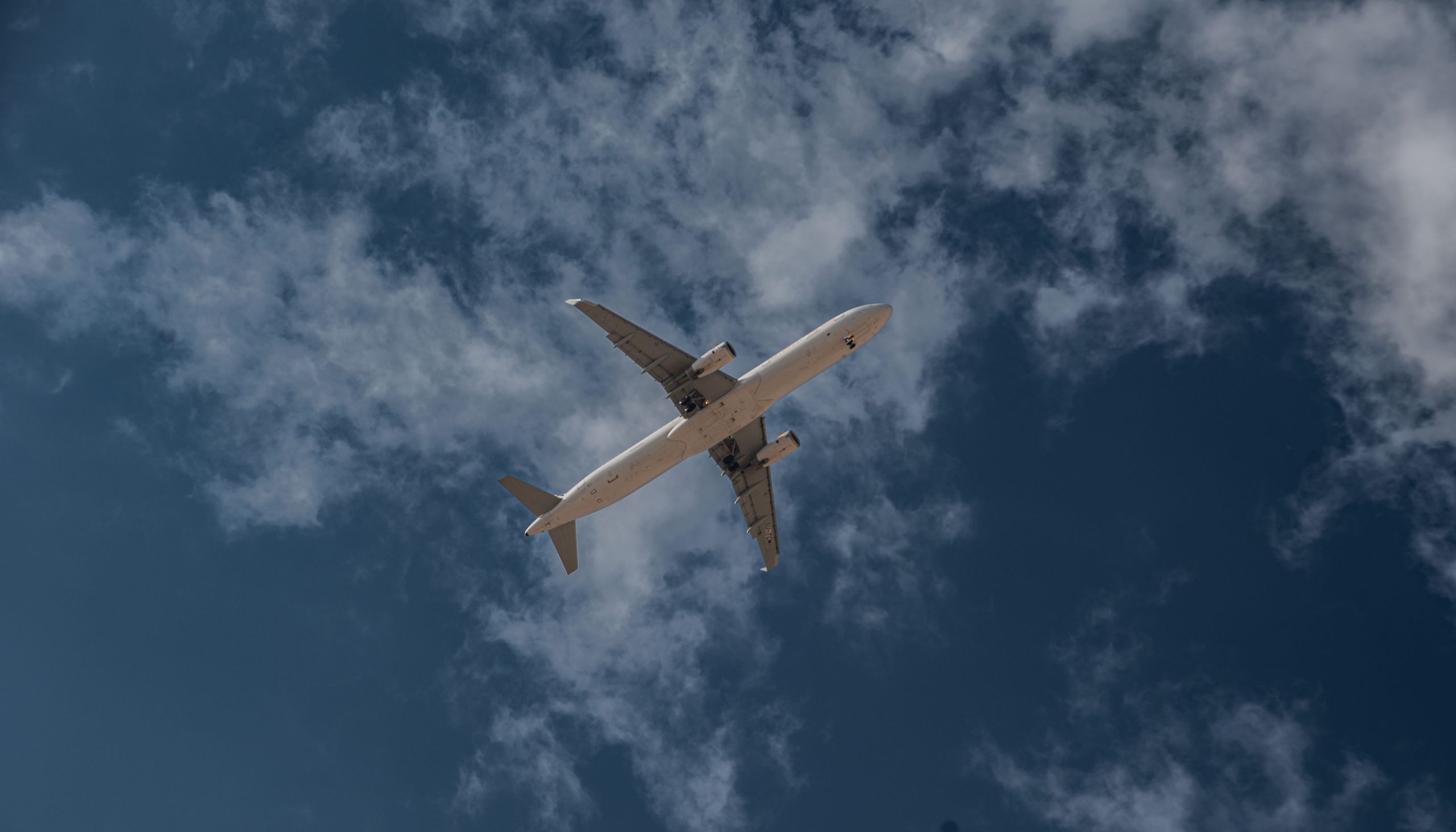
DSV and Google Cloud have joined forces to accelerate the adoption of sustainable aviation fuel (SAF), securing up to 9.7 million litres of lower-carbon fuel to reduce emissions associated with Google’s air freight operations. Announced on 11 November 2026, the collaboration is expected to deliver a reduction of 25,000 tonnes of lifecycle greenhouse gas emissions compared with conventional jet fuel, demonstrating how partnerships between logistics providers and their customers can support the transition towards more sustainable air freight.
The pilot will focus on a key route within Google Cloud’s air freight network, with DSV supplying access to SAF through its established sustainable fuel programme. The fuel is produced using waste and residue materials and is expected to deliver an 85% reduction in lifecycle greenhouse gas emissions compared with conventional fossil-based jet fuel. With sustainable aviation fuel still facing limited availability and higher production costs, commitments from major freight customers are increasingly important in creating the demand needed to encourage further investment and expand production.
The partnership will operate through a book-and-claim approach, allowing the environmental benefits of SAF to be attributed to Google’s shipments without requiring the fuel to be physically used on the aircraft transporting its goods. Instead, the fuel can be introduced into the wider aviation fuel network, while the associated emissions reductions are allocated to the participating customer. This provides businesses with a way to support the uptake of lower-carbon fuels across the aviation sector, even where direct access to SAF is not yet available across their individual transport routes.
Transparency and emissions reporting are central to the arrangement, with the fuel certified under the International Sustainability and Carbon Certification (ISCC) scheme and produced exclusively from waste and residue feedstocks, excluding palm oil and palm-derived materials. The environmental attributes will also be recorded through the independent Sustainable Aviation Fuel Certificate Registry (SAFc Registry), supported by DSV’s internal tracking systems. This process is designed to ensure that emissions reductions are allocated to individual shippers and protected against double-counting, providing a traceable basis for reporting the environmental benefits.
For the wider logistics industry, the collaboration highlights the importance of bringing customers, freight providers and fuel producers together to address emissions that are difficult to eliminate through operational changes alone. While improving efficiency, optimising routes and shifting freight to lower-carbon transport modes remain important parts of supply chain decarbonisation, aviation continues to present a particular challenge for businesses that depend on fast international transport. Initiatives that help increase demand for sustainable aviation fuel could therefore play an important role in supporting the longer-term transition towards lower-emission air freight.
The pilot also builds on DSV’s wider efforts to increase access to SAF through collaboration with major customers and industry partners, demonstrating how shared commitments can help move sustainable fuel from ambition towards greater commercial adoption. As the aviation sector works to address its carbon footprint, partnerships of this kind will be important in creating the investment, supply and market demand needed to make lower-carbon alternatives more widely available.