
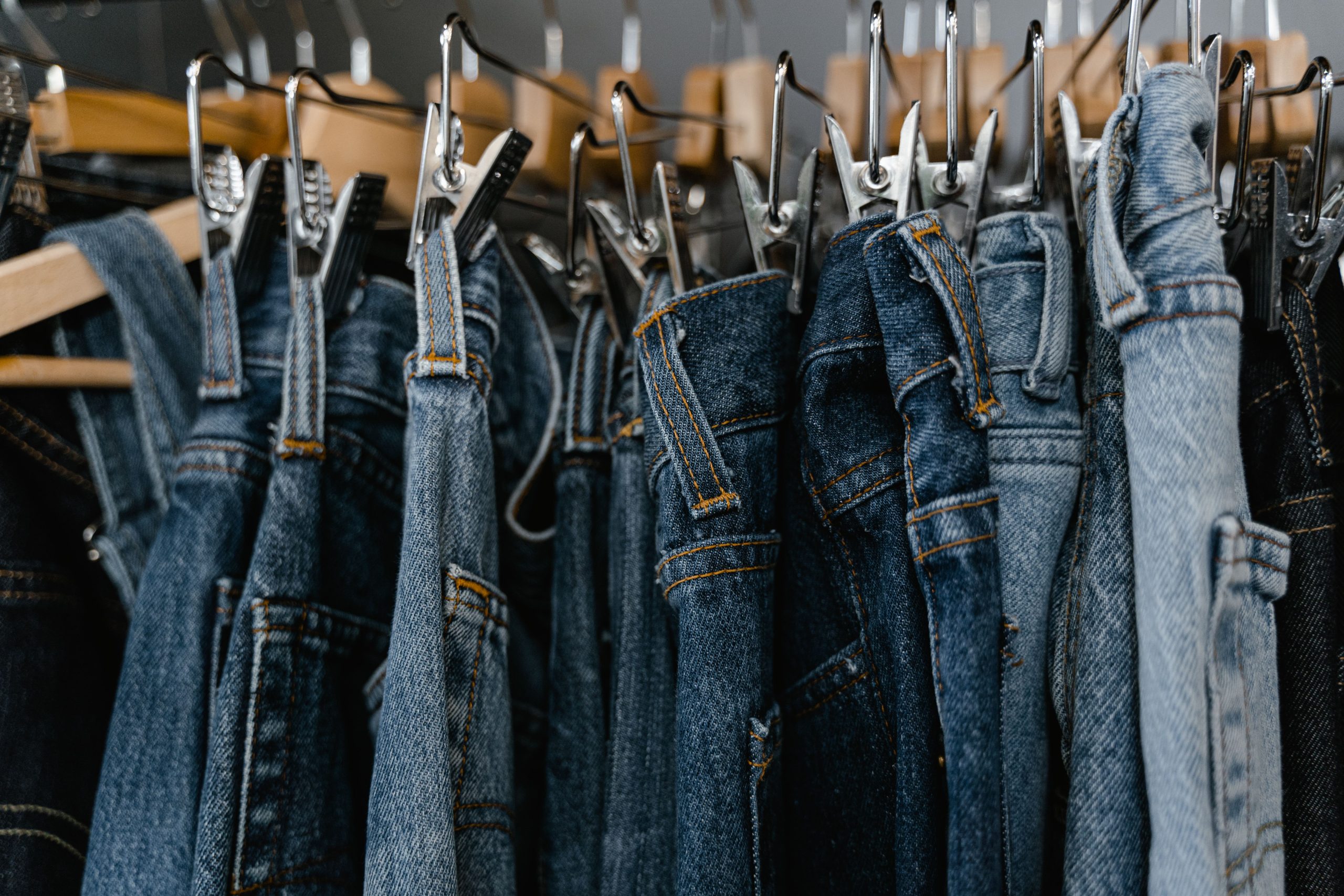
Large companies operating within the European Union are now prohibited from destroying unsold clothing, footwear and clothing accessories following the introduction of new requirements under the Ecodesign for Sustainable Products Regulation (ESPR). The rules came into effect on 19 July 2026 and represent another significant step in the EU’s drive towards a more circular and resource efficient economy.
The new legislation aims to reduce the environmental impact of textile waste by ensuring products remain in circulation for as long as possible. Rather than disposing of unsold stock, businesses will be expected to prioritise options such as resale, reuse, donation, refurbishment or remanufacturing wherever practical. Medium sized companies will be required to comply from 2030, while small and micro businesses are currently exempt from the ban.
The move forms part of the EU’s wider Circular Economy Action Plan, which seeks to reduce waste, improve resource efficiency and encourage more sustainable product lifecycles. The textile sector has become a particular focus due to the significant environmental impacts associated with overproduction, short product lifespans and the growing volume of clothing discarded each year.
According to the European Commission, an estimated 4% – 9% of textile products placed on the European market are destroyed before they are ever used.1 This equates to hundreds of thousands of tonnes of products each year, alongside the loss of the raw materials, water, energy and labour invested in manufacturing them.
Alongside the prohibition on destruction, large organisations are also expected to increase transparency around how they manage unsold goods. Standardised reporting requirements will require businesses to disclose the volume of products discarded and explain how unsold inventory is handled, helping regulators monitor compliance and encouraging greater accountability across the sector.
While the regulation applies directly to companies placing products on the EU market, its impact is likely to be felt across global supply chains. Retailers, manufacturers, logistics providers and fulfilment partners may all need to adapt inventory management processes, returns handling and reverse logistics operations to support alternative routes for excess stock.
For many organisations, the legislation is expected to place greater emphasis on accurate demand forecasting and inventory planning. Reducing overproduction at source will become increasingly important as businesses look to minimise surplus stock while maintaining product availability. Industry analysts also suggest the changes could accelerate investment in digital inventory management tools and artificial intelligence to improve forecasting accuracy and optimise stock levels across supply chains.
The regulation does include a limited number of exemptions. Products may still be destroyed where they present health or safety risks, have been damaged beyond repair or are counterfeit. However, these exemptions are tightly defined and businesses will need to demonstrate that destruction was justified under the permitted criteria.
The introduction of the ban reflects a broader shift in environmental policy from focusing solely on waste management towards preventing waste before it occurs. By encouraging organisations to maximise the value of products throughout their lifecycle, the EU hopes to reduce unnecessary emissions, conserve valuable resources and strengthen circular business models across the textile industry.
As regulations continue to evolve and circular economy principles become increasingly embedded within supply chains, staying ahead of policy changes is becoming more important than ever.
Conversations like these are exactly what we’re having every day within SLL BriteHub, where logistics, supply chain and sustainability professionals come together to share insights, discuss industry developments and collaborate on the challenges shaping the future of freight. Join the conversation today: SLL Community Portal | Sustainable Logistics Network
1. European Environment Agency (2024)The destruction of returned and unsold textiles in Europe’s circular economy. EEA Briefing No. 01/2024. Luxembourg: Publications Office of the European Union.