
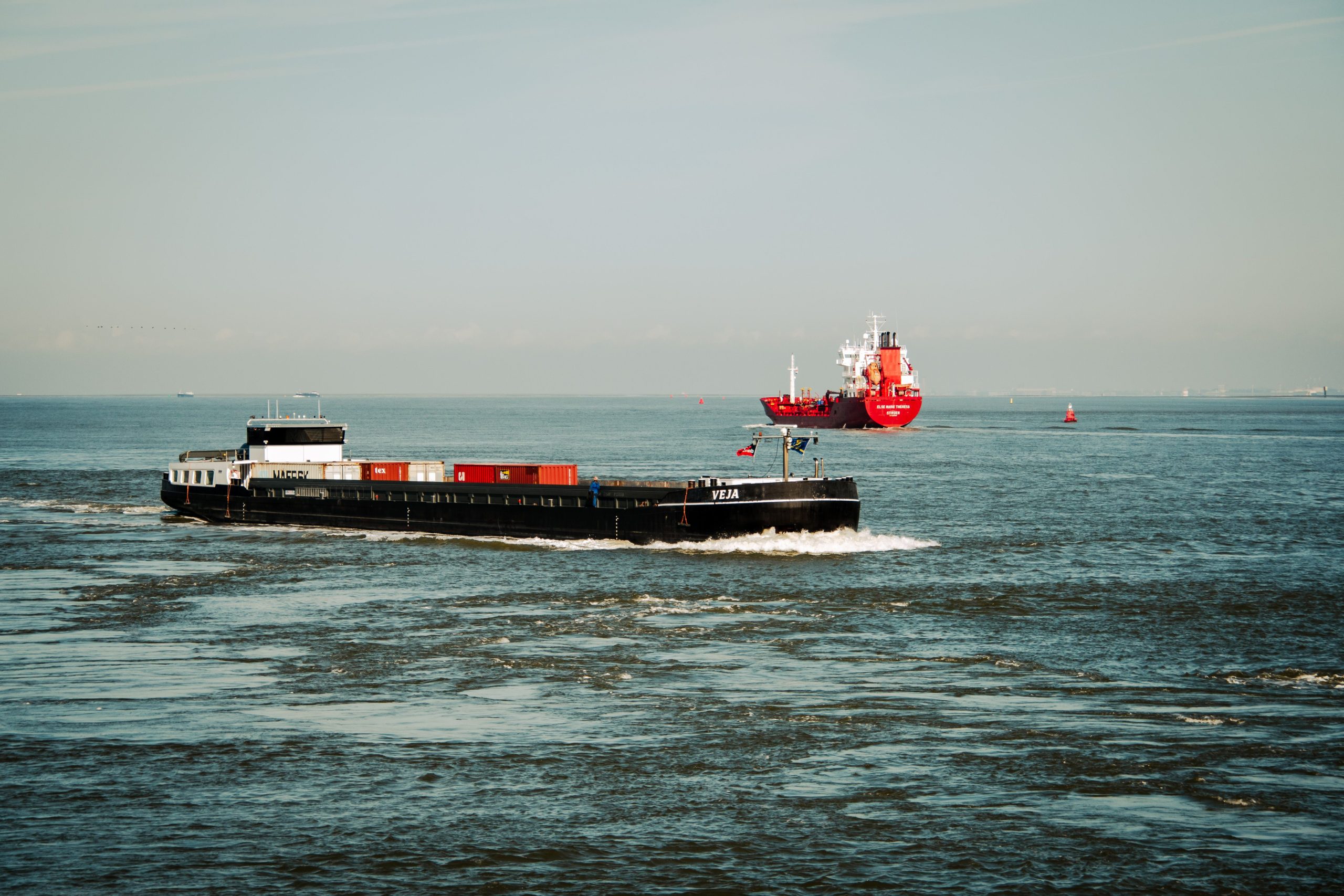
The European Commission has proposed further changes to the EU Emissions Trading System (EU ETS) that would extend the scheme to cover smaller vessels, signalling another step towards broadening carbon pricing across maritime transport. If adopted, the proposals would see certain vessels as small as 400 gross tonnage brought into scope, significantly increasing the number of operators required to monitor, report and pay for their emissions.
The review forms part of a wider package of proposed reforms to the EU ETS, which aims to support Europe’s long term decarbonisation ambitions while responding to growing concerns around industrial competitiveness and the cost of the transition. Alongside changes affecting heavy industry and aviation, the proposals would expand the reach of the maritime ETS and introduce new requirements for a wider range of shipping operators.
Since shipping entered the EU ETS, the policy has encouraged investment in cleaner fuels, more efficient vessels and emissions reduction measures. However, compliance has also introduced additional costs and administrative responsibilities for operators. Extending the scheme to smaller vessels would bring many organisations into the system for the first time, including operators that may have had limited exposure to carbon reporting requirements.
For businesses operating across European supply chains, the proposals highlight how climate regulation continues to evolve beyond the largest emitters. While many smaller vessels produce lower emissions individually, collectively they represent a significant share of maritime activity. Bringing them into scope reflects a broader shift towards ensuring every part of the transport network contributes to emissions reductions.
The proposals also reinforce the growing importance of emissions data. As carbon pricing expands across more transport modes, organisations will need greater visibility of emissions throughout their supply chains. This will support not only regulatory compliance but also better decision making around procurement, transport planning and decarbonisation investment.
Although the review is still subject to negotiation between the European Parliament and Member States, it provides another indication of the direction of travel. Businesses that begin strengthening their emissions reporting capabilities and reviewing their logistics networks now will be better positioned to adapt as requirements develop.
The continued expansion of carbon pricing demonstrates that decarbonisation is increasingly becoming an operational consideration rather than simply a reporting exercise. Organisations that understand how evolving regulation affects their supply chains will be in a stronger position to manage costs, reduce risk and identify opportunities as the transition to lower carbon logistics continues.
Conversations like this are shaping the future of sustainable logistics. Join industry leaders, policymakers and innovators at Sustainable Logistics LIVE to explore the latest regulations, technologies and strategies driving supply chain decarbonisation. Secure your ticket today: Sustainable Logistics LIVE 2026 London Tickets, Tuesday 10 November • 9 AM – 4:30 PM | Eventbrite