
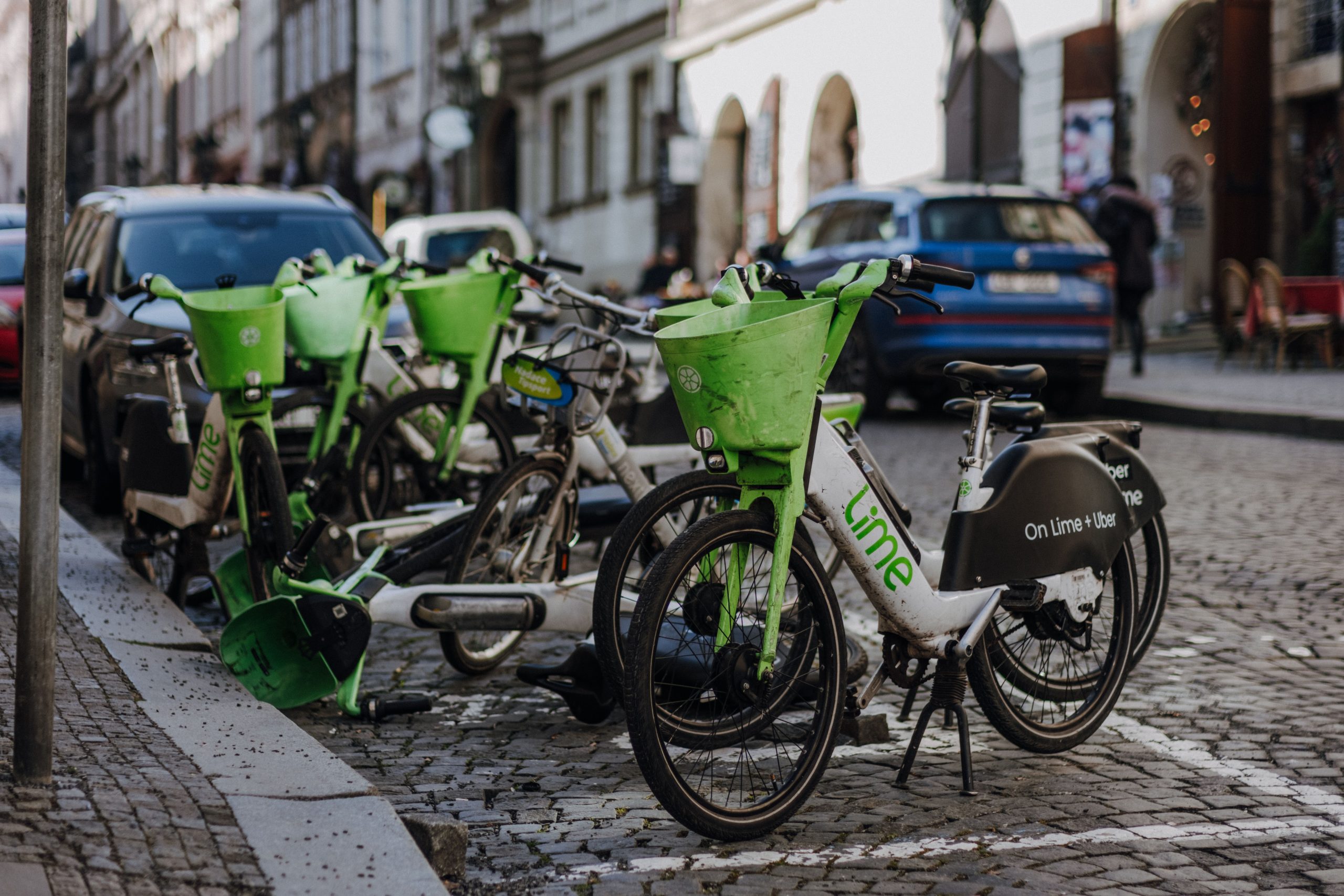
Lime, one of the world’s largest shared electric micromobility providers, has announced that it has reduced its company-wide carbon emissions intensity by 81.4% since 2019, marking another significant milestone in the decarbonisation of urban transport.1 Operating shared electric bikes and scooters across more than 280 cities in nearly 30 countries, Lime has become a key player in helping cities reduce congestion and encourage lower carbon travel. The figures, published in the company’s 2025 Carbon Inventory, demonstrate that business growth and emissions reduction do not have to be mutually exclusive when sustainability is embedded into a long-term operational strategy.
The company also reported a 44% year-on-year improvement in carbon emissions intensity compared with 2024. Alongside this, it achieved a 77.2% reduction in absolute Scope 1 and Scope 2 emissions and a 79.5% reduction in Scope 3 emissions intensity across its supply chain, manufacturing and logistics activities. These results highlight that meaningful emissions reductions can be achieved not only through cleaner vehicles, but by improving the sustainability of the entire value chain that supports them.1
While electric bikes and scooters are often viewed simply as an alternative to short car journeys, Lime’s latest inventory highlights a broader story. The greatest challenge for many transport businesses is no longer introducing lower emission vehicles, but reducing the carbon impact of the entire value chain that supports them.
Manufacturing, battery production, component sourcing, vehicle maintenance and logistics all contribute to the overall carbon footprint of shared mobility. By focusing on improving emissions intensity rather than simply reporting total emissions, Lime is demonstrating how organisations can continue to grow while reducing the environmental impact of every kilometre travelled.
This is an increasingly important distinction for businesses across the transport and logistics sector. As demand for low emission transport continues to grow, success will depend not only on adopting cleaner technologies but also on improving operational efficiency, extending asset lifecycles and working collaboratively across supply chains.
The results also reinforce the importance of transparent carbon reporting. By publishing detailed emissions data across Scope 1, Scope 2 and Scope 3 activities, organisations can identify where the greatest impacts occur and prioritise investment where it will deliver the most meaningful reductions. This level of transparency is becoming increasingly valuable as customers, investors and regulators place greater emphasis on credible sustainability performance.
For the wider logistics industry, the principles remain the same regardless of transport mode. Whether operating heavy goods vehicles, warehouse networks or shared micromobility fleets, decarbonisation is most effective when it is embedded into day-to-day decision making rather than treated as a standalone environmental initiative.
At Shape Tomorrow, we believe sustainable logistics is achieved through practical collaboration, data-driven decision making and continuous improvement. Lime’s latest carbon inventory demonstrates that organisations can significantly reduce emissions while continuing to expand their operations, providing another example of how sustainability and commercial growth can work hand in hand.
Conversations like these are happening every day within the Sustainable Logistics Live community, where industry leaders share insights, explore emerging technologies and collaborate on the challenges shaping the future of freight and sustainable supply chains. Join us on November 10th in London for our next Sustainable Logistics Live event, register here: Sustainable Logistics LIVE 2026 London Tickets, Tuesday 10 November • 9 AM – 4:30 PM | Eventbrite
1.Lime. (2025) 2025 Carbon Inventory. San Francisco: Lime. Available at: Website Version – 2024 Lime GHG Inventory – 22MAY2025.pptx