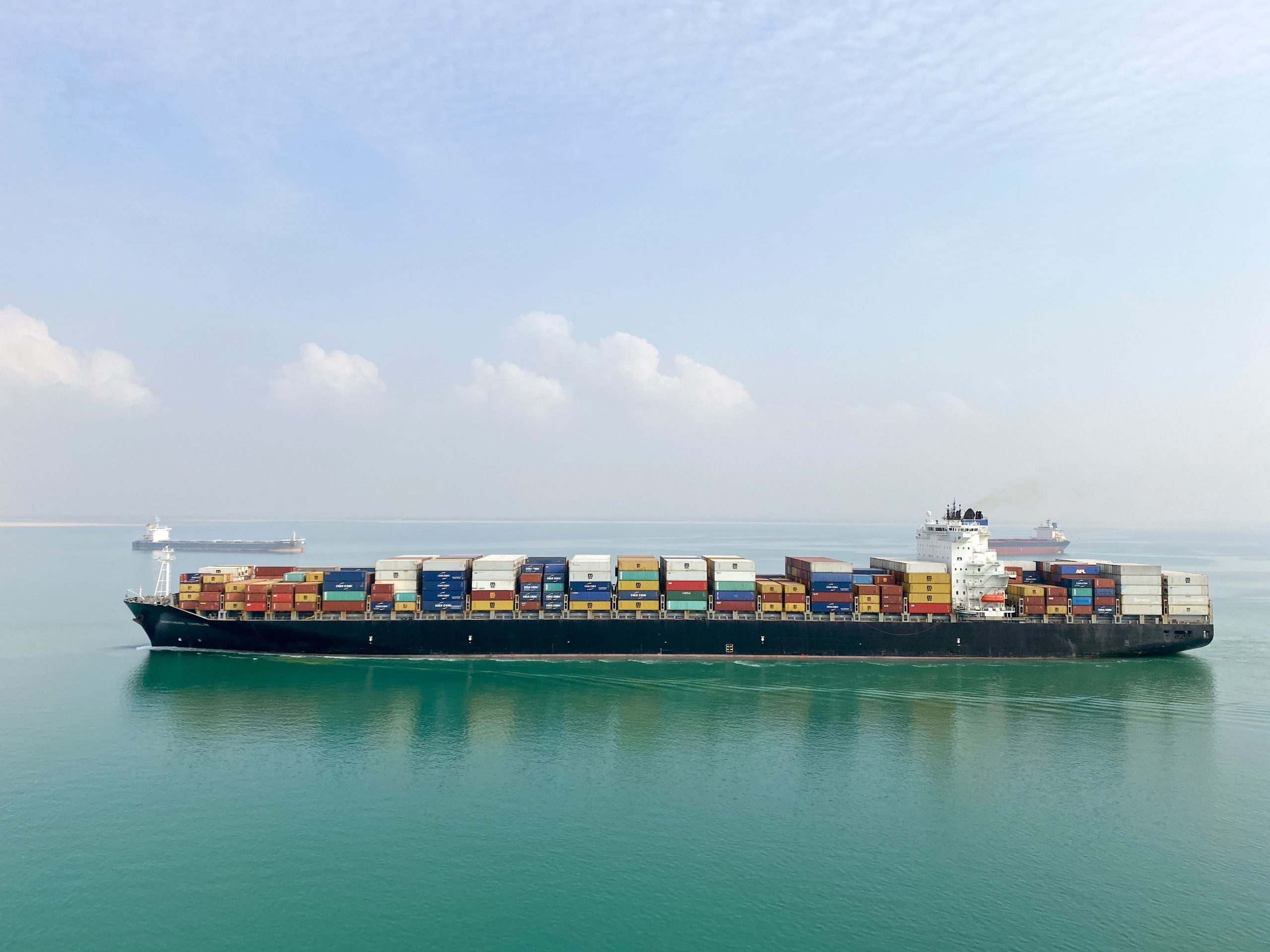
Microsoft has become the first company to use the Roundtable on Sustainable Biomaterials (RSB) Book & Claim registry to purchase verified emissions reductions from maritime transport, following a new pilot with Danish shipping company NORDEN. The transaction marks the first time the RSB framework, which has already been used in aviation, has been extended to maritime freight.
The pilot addresses one of the most difficult challenges facing companies trying to reduce their Scope 3 emissions. Businesses can have significant emissions associated with ocean freight but have limited control over the vessels, fuels and routes used to transport their goods. At the same time, lower carbon marine fuels remain limited in availability, making it difficult for individual shipments to access alternative fuels directly.
Book and claim provides a different approach. Rather than requiring sustainable fuel to be physically used on the vessel carrying a particular customer’s cargo, verified emissions reductions generated through the use of lower carbon fuels can be allocated to another customer through an established accounting and certification system. This separates the environmental attribute from the physical movement of the fuel, allowing businesses to support lower carbon shipping even where the fuel is not available on their specific route.
For the NORDEN and Microsoft pilot, NORDEN became the first maritime operator to receive RSB Book & Claim trader certification, allowing it to issue and sell verified emissions reductions through the RSB registry. The transaction was designed to provide a traceable mechanism for transferring the emissions reductions associated with sustainable marine fuel, with the RSB framework providing the governance needed to support credible claims.
The development is significant because credibility is becoming just as important as availability when it comes to alternative fuels. As more businesses look for ways to address emissions within complex global supply chains, there is a growing need to demonstrate that claimed reductions are real, independently verified and cannot be counted more than once. Digital registries and recognised standards can provide the infrastructure needed to build that confidence.
The pilot also highlights the role that commercial mechanisms can play in accelerating the transition to lower carbon shipping. Sustainable marine fuels will take time to scale, with production, infrastructure and distribution all needing significant investment. Creating a system through which businesses can purchase verified emissions reductions could help generate demand for those fuels before they become widely available across the maritime network.
This does not remove the need for direct emissions reductions or investment in cleaner vessels and fuels. Book and claim is another mechanism for addressing emissions while the physical infrastructure required for a lower carbon shipping system continues to develop. Its value will ultimately depend on the strength of the standards behind it and the confidence businesses have in the claims being made.
The maritime sector is already seeing growing interest in these approaches. Earlier initiatives from shipping and logistics companies have demonstrated how book and claim and carbon insetting can connect customer demand with emissions reductions generated elsewhere within a transport network. The extension of the RSB registry into maritime transport takes this a step further by establishing a framework that could potentially be adopted more widely across the industry.
RSB has said it will now update its Book and Claim Chain of Custody procedure to support wider adoption across maritime transport. NORDEN also plans to continue working with customers and partners to scale the approach, with the longer-term ambition of making verified emissions reductions a more standard offering within ocean freight.
The question now is how these mechanisms can be used responsibly alongside direct decarbonisation measures. As businesses navigate the gap between ambitious Scope 3 targets and the reality of limited low carbon transport capacity, the ability to invest in verified reductions could become an increasingly important part of the conversation.
To better understand how book and claim works, and the role it could play in tackling Scope 3 emissions, read our Mass Balance series, where we explore the mechanisms, opportunities and challenges shaping the future of sustainable supply chains: Mass Balance: Supply Chains Reimagined – Shape Tomorrow
These are the conversations that will continue at Sustainable Logistics LIVE. Our dedicated BriteLab session on mass balance measures will explore how approaches such as mass balance and book and claim are being used across supply chains, where they can create value and what businesses need to consider when assessing their credibility. Join us at SLL on 10 November 2026 to be part of the conversation shaping the future of sustainable logistics: Sustainable Logistics LIVE 2026 London Tickets, Tuesday 10 November • 9 AM – 4:30 PM | Eventbrite