Four major names in UK retail and textile reuse have joined forces to tackle what happens to clothing once it reaches the end of its usable life. M&S, New Look, Sainsbury’s and Oxfam have partnered with Circle-8 to launch The Circuit, an initiative designed to develop a more circular system for recovering, sorting and recycling post-consumer textiles in the UK.
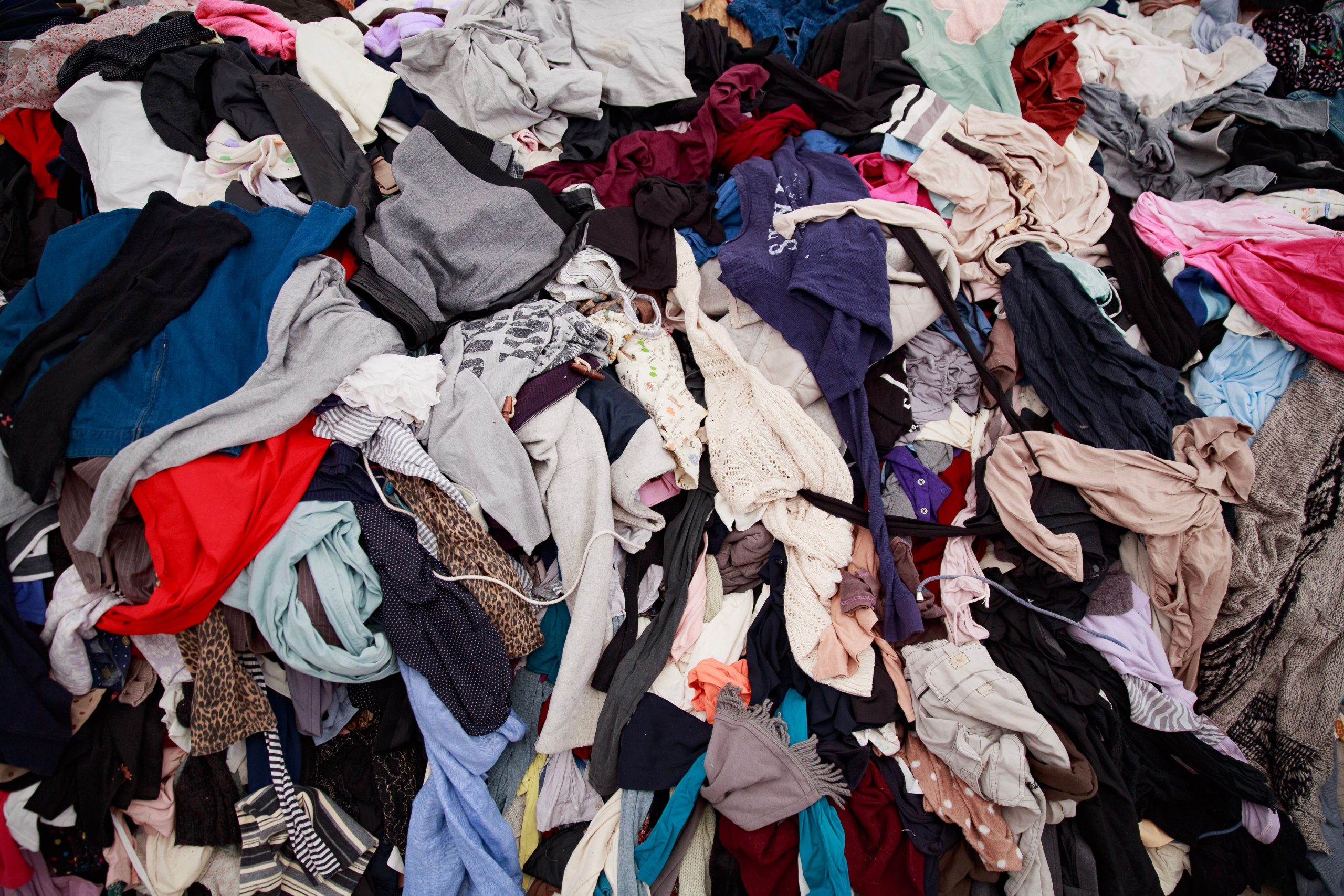
The partnership comes as the volume of unwanted clothing continues to put pressure on the systems available to reuse and recycle it. While resale, repair and reuse can extend the life of garments, not every item can be worn again. Once clothing reaches this stage, there are fewer established routes for recovering its fibres and turning them into materials for new products. The UK Government has identified textiles as a priority waste stream and has highlighted the need to increase reuse, repair and recycling while reducing the amount of textile waste sent for disposal.
The Circuit will focus specifically on building the infrastructure needed to address this gap. The partners will bring together retailers, textile recovery organisations, sorting technology providers, recyclers and manufacturers to explore how end-of-use textiles can be collected, sorted and directed towards suitable recycling routes. The aim is to create a more connected system in which materials can be recovered and ultimately returned to the textile supply chain, rather than being treated as waste.
The first phase is expected to begin in January 2027 at Oxfam’s site in Batley, Yorkshire. It will use automated textile sorting alongside reporting and traceability systems to better understand the materials entering the system and where they can be directed. Oxfam will play a key role in separating reusable and non-reusable textiles, while the wider partnership will look at how different materials can be prepared for mechanical and chemical recycling.
Sorting is particularly important because not all unwanted clothing can follow the same recycling route. The material, condition and composition of a garment can determine whether it can be reused, mechanically recycled or requires another form of processing. The Environment Agency’s current guidance on waste and non-waste textiles also places emphasis on appropriate sorting and preparation, highlighting the importance of getting this stage right before materials move further through the recovery chain.
For the retailers involved, the initiative is also about understanding what happens to their products beyond the point of sale. By working alongside organisations involved in collection, sorting and recycling, The Circuit aims to build a clearer picture of the journey textiles take after they leave consumers’ hands and identify where better infrastructure or collaboration is needed.
The challenge will be turning this initial pilot into a system that can operate at scale. A circular textile economy needs more than collection points; it requires reliable sorting, suitable recycling capacity and markets for the materials that are recovered. The Circuit provides an opportunity to test how these different parts of the supply chain can work together and whether collaboration between major retailers and textile organisations can help keep more materials in circulation.
How can collaboration help turn sustainability ambitions into change across the supply chain? Join us at Sustainable Logistics LIVE London this November to explore the challenges shaping the future of sustainable logistics, connect with people working across the industry and take part in the conversation. Find out more and secure your place at SLL2026: Sustainable Logistics LIVE 2026 London Tickets, Tuesday 10 November • 9 AM – 4:30 PM | Eventbrite