
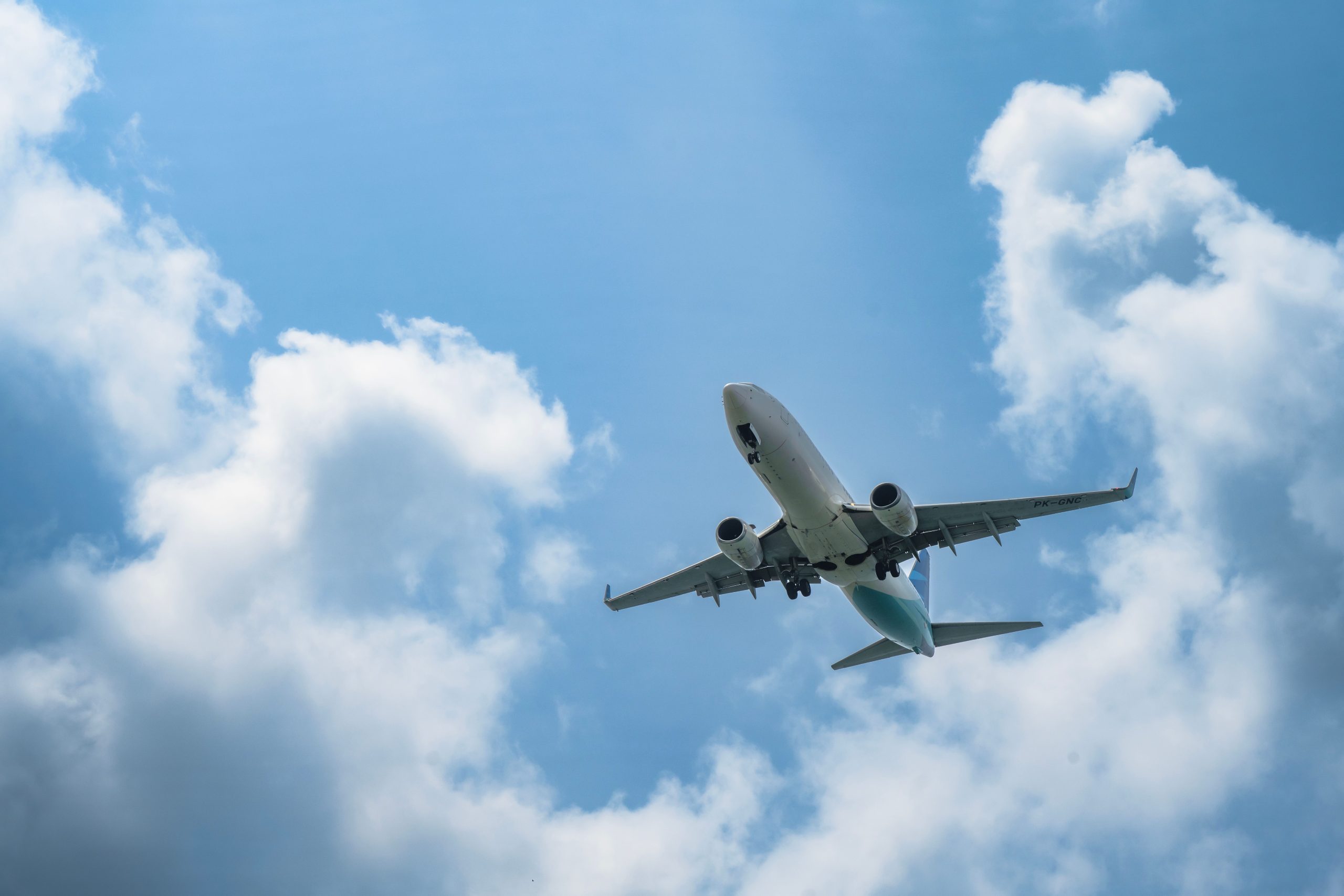
Sustainable aviation fuel (SAF) use in the UK has more than doubled in 2026, with new government figures showing that 291.7 million litres had been supplied under the UK’s SAF Mandate by the beginning of September. The provisional data represents 3.92% of aviation fuel reported under the mandate so far this year, showing how quickly SAF use is beginning to grow as the UK moves further into its new regulatory framework.
The figures, published by the Department for Transport (DfT) on 17 September, are based on information available up to 1 September and remain provisional, so the final figure for 2026 will be higher once the full year’s data is reported. Even at this stage, the increase compared with 2025 shows that SAF is becoming a more significant part of the UK aviation fuel mix, with suppliers facing increasing requirements to bring lower-carbon fuels into the market.
The UK SAF Mandate came into force in January 2025, requiring fuel suppliers to provide an increasing proportion of sustainable aviation fuel over time. The mandate started with a requirement equivalent to 2% of total UK jet fuel demand in 2025, rising to 10% by 2030 and 22% by 2040. For 2026, the main obligation has increased to 3.6%, meaning the industry is already working towards a higher level of SAF use as the UK moves towards its longer-term aviation decarbonisation targets.
The increase is particularly important because aviation remains one of the harder areas of transport to decarbonise through direct electrification. SAF can be used in existing aircraft and airport fuel infrastructure when blended with conventional jet fuel, giving airlines and freight operators a way to reduce the emissions associated with flying while other technologies continue to develop. Under the UK mandate, eligible SAF must meet sustainability requirements and deliver at least a 40% greenhouse gas emissions reduction, although the actual reduction depends on the fuel pathway and feedstock used.
The government is also working to support the development of a larger domestic SAF market. Its proposed revenue certainty mechanism is designed to give producers greater confidence to invest in new UK production facilities, while the government has recognised that significantly more SAF will be needed as the mandate increases and demand for lower-carbon aviation fuel grows.
This shift is not limited to the UK. In the US, FedEx has announced agreements expected to secure more than 20 million gallons of neat SAF across five airports through the end of 2027. The agreements cover Newark, Oakland, Miami, JFK and Dallas Fort Worth, with SAF expected to be supplied at blend ratios of between 30% and 50%, depending on the location.
The agreements build on FedEx’s existing SAF procurement, with the company having secured around 5 million gallons of neat SAF through agreements beginning in 2025. FedEx says this resulted in 16.5 million gallons of blended SAF being deployed across five US airports, and it is targeting alternative fuel blends for 30% of its jet fuel by 2030.
For logistics and supply chain businesses, these developments show how the conversation around aviation emissions is moving from commitments towards actual fuel procurement. SAF is not a single solution to aviation’s emissions challenge, and its impact depends on factors such as how the fuel is produced, the feedstock used and the emissions associated with its full lifecycle. There are also questions around cost, availability and whether production can grow quickly enough to meet rising demand.
The direction of travel is becoming clearer, however. The UK’s growing SAF supply, alongside procurement commitments from major international logistics operators such as FedEx, points to a market that is beginning to move beyond individual trials and towards larger-scale use. As mandates become more ambitious and companies make longer-term commitments, the pressure will increase on fuel producers, infrastructure providers and the wider aviation supply chain to scale SAF while maintaining the sustainability standards needed to deliver genuine emissions reductions.
As the logistics industry continues to look for practical ways to tackle Scope 3 emissions, these are the conversations that matter. Sustainable Logistics LIVE returns to London this November, bringing together sustainability leaders, logistics professionals and industry experts to explore practical approaches to reducing emissions across complex supply chains. Hear from industry experts, explore real-world solutions and be part of the conversation. Get your tickets for SLL2026 now: Sustainable Logistics LIVE 2026 London Tickets, Tuesday 10 November • 9 AM – 4:30 PM | Eventbrite
Find out more about the UK Government’s SAF Mandate: The SAF Mandate: an essential guide – GOV.UK