
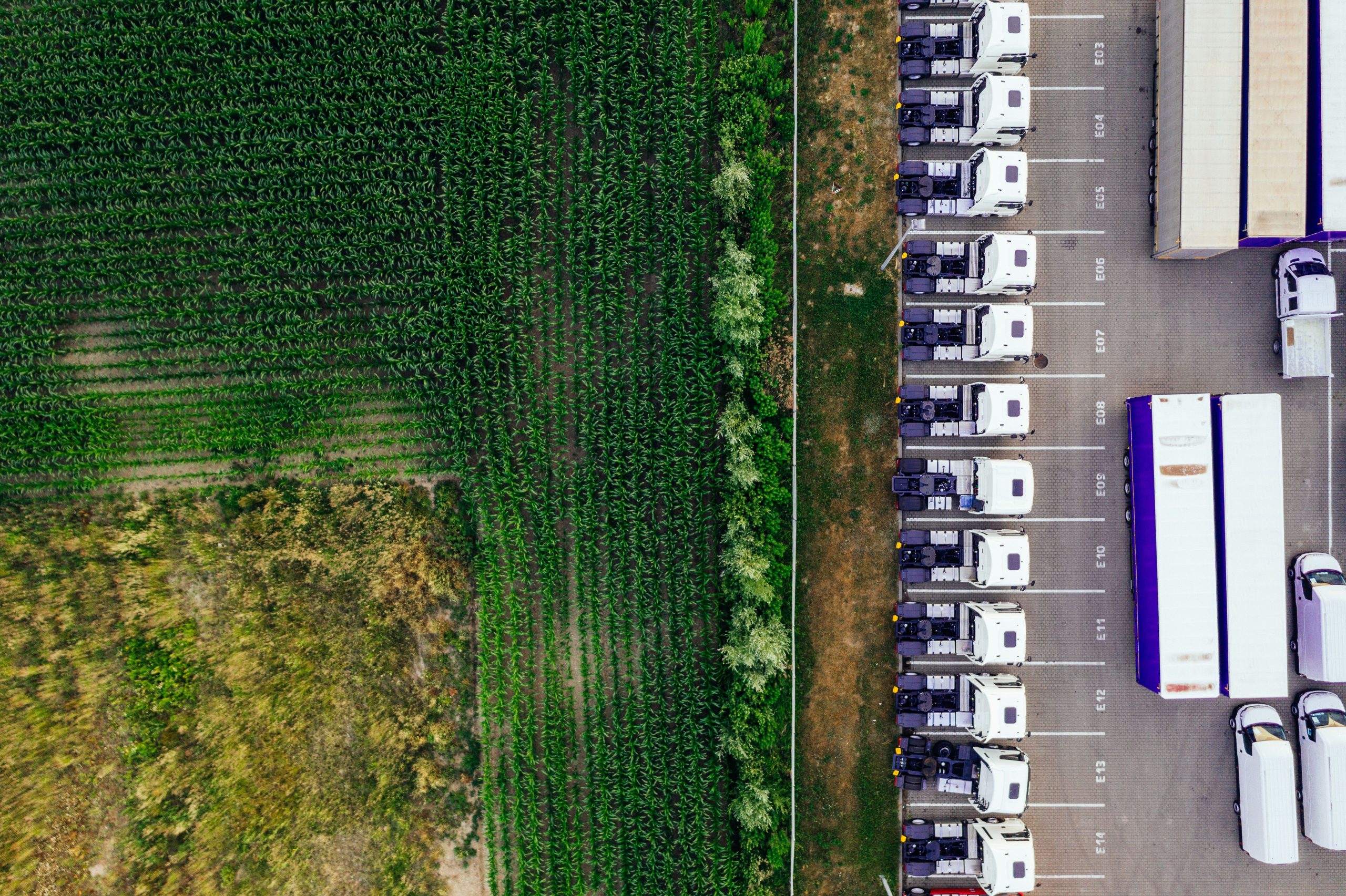
Tesco is continuing to reduce emissions from its refrigerated transport operations, with five new trailer refrigeration units using ultra-low global warming potential refrigerant now operating across its UK distribution network.
The Vector HE 19 Low CO₂ Emissions multi-temperature units, supplied by Carrier Transicold, are mounted on 13.6-metre Gray & Adams trailers and will transport ambient, chilled and frozen goods across Tesco’s network seven days a week. The technology uses R454A refrigerant, which has a certified Global Warming Potential (GWP) of 239, compared with 2,140 for R452A, a refrigerant commonly used in trailer refrigeration systems. Carrier says this represents a reduction in GWP of almost 90% while maintaining equivalent cooling performance.
For refrigerated logistics, the choice of refrigeration technology is an important part of the wider emissions picture. Refrigeration units can require significant energy throughout their operating lives, while refrigerant leakage can also contribute to greenhouse gas emissions. Tesco’s latest investment therefore demonstrates how changes to supporting equipment can form part of a wider fleet decarbonisation strategy, alongside changes to vehicles and fuels.
The new units have been redesigned to accommodate the lower-GWP refrigerant while retaining the operating characteristics of the existing Vector platform. They also include leak-detection sensors and a pump-down system designed to recover refrigerant if a leak occurs, reducing the potential release of fluorinated greenhouse gases. Carrier is supporting the deployment through technician training, specialist equipment and ongoing technical support.
The investment sits within a broader programme of work across Tesco’s distribution network. The retailer’s 2026 Sustainability Report highlights a range of approaches to reducing emissions from logistics, including four electric HGVs, 42 biomethane-powered trucks and the replacement of 170 diesel refrigeration units with electric fridges within Booker Best Food Logistics. Tesco has also previously deployed solar-powered refrigerated trailers, with the company reporting that each unit could save around 2,000 litres of diesel and more than five tonnes of carbon per year.
This mix of technologies is significant because there is no single route to reducing emissions from temperature-controlled logistics. Refrigerated operations have to maintain strict temperature requirements while working within the practical constraints of vehicle availability, energy supply, infrastructure, payload, operating patterns and cost. The most effective approach will therefore depend on the specific operation rather than simply replacing one technology with another.
Tesco’s latest deployment also highlights the role that collaboration with technology and equipment suppliers can play in this transition. Fleet operators can identify where emissions are being generated, but reducing them often depends on working with manufacturers, infrastructure providers, maintenance partners and other parts of the supply chain to develop solutions that can work reliably in day-to day operations.
As pressure grows on logistics businesses to reduce emissions across their fleets and supply chains, attention is increasingly turning towards these practical decisions. The question is no longer simply what lower-emission technologies exist, but how they can be integrated into complex logistics operations and what wider changes are needed to make them work at scale.
These are the conversations we will be exploring at Sustainable Logistics LIVE London on 10 November. Across the day, dedicated sessions will look at EVs, fleet electrification and the practical steps needed to move from ambition to implementation, alongside our dedicated BriteLabs sessions designed to create space for deeper, two-way discussion and shared learning. Join us at SLL to explore what action can be taken, what barriers still need to be addressed and, importantly, what collaboration is needed to make the transition happen in practice. Register now: Sustainable Logistics LIVE 2026 London Tickets, Tuesday 10 November • 9 AM – 4:30 PM | Eventbrite
Read about Tesco’s latest initiatives in their Sustainability Report: Tesco Sustainability Report 2026