
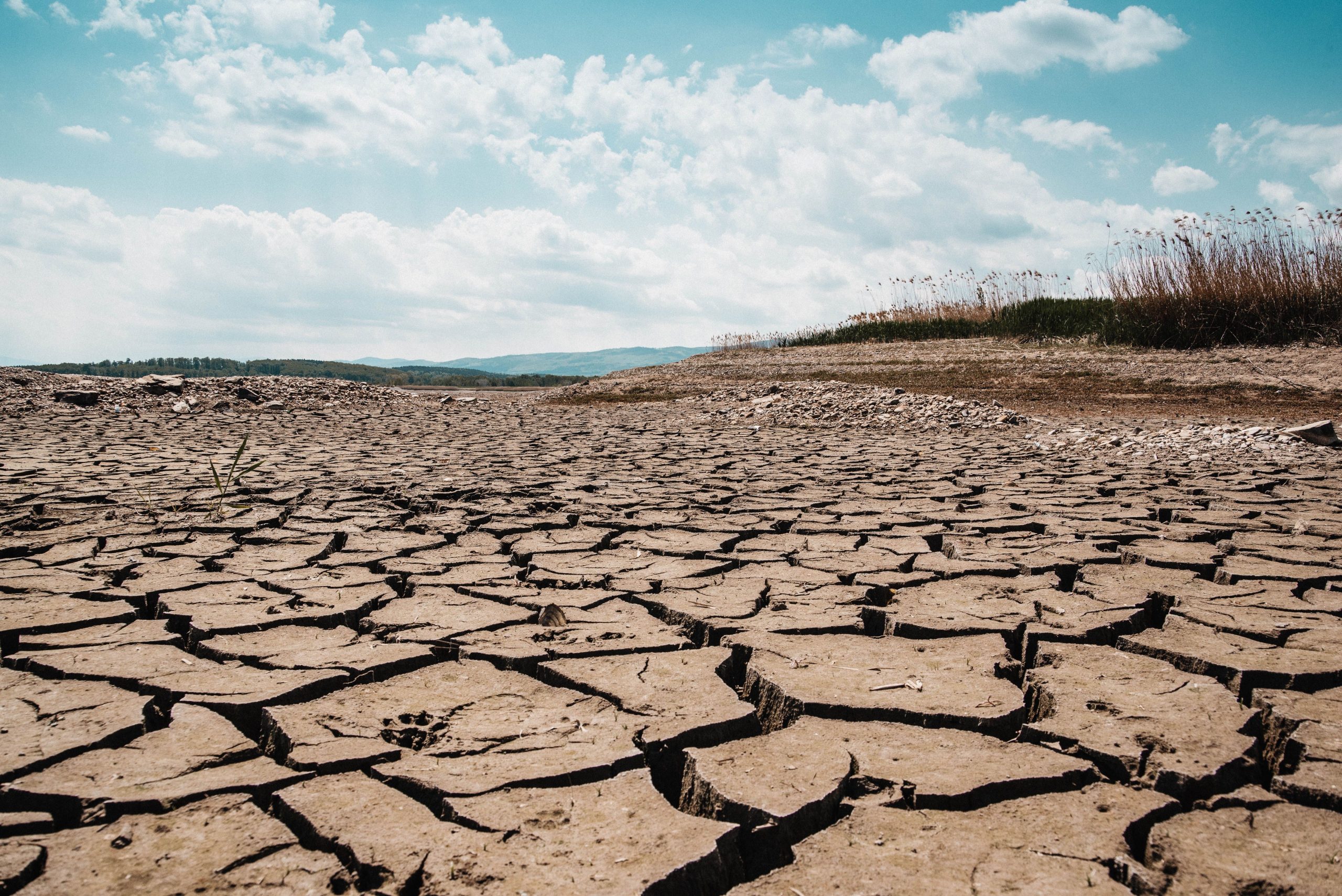
The world is entering a new phase in the fight against climate change. The United Nations Environment Programme (UNEP) has warned that exceeding the 1.5°C warming threshold set out in the Paris Agreement is now considered unavoidable under current policies and near-term trajectories. The message is serious, but it is not that climate action has become pointless. Instead, the focus is shifting towards how far temperatures rise, how long they remain elevated, and how quickly they can be brought back down.
UNEP’s latest report, Limiting Overshoot, marks a significant change in the language around the 1.5°C goal. Rather than assuming that the threshold can still be avoided entirely, the report examines an “overshoot, peak and decline” pathway. Its analysis suggests that the most effective remaining strategy is to limit the amount and duration of warming above 1.5°C, before working towards bringing temperatures back below the threshold. The report is clear that every fraction of a degree matters, with higher peak temperatures and longer periods of overshoot increasing the risks to people, economies and ecosystems.
This changes the conversation for businesses as well. Climate targets have often been framed around long-term destinations: net zero by 2050, science-based targets and reductions against a baseline year. Those ambitions remain important, but the latest UN assessment reinforces the importance of what happens between now and those deadlines. Delaying action today does not simply move progress further into the future. It increases the level of warming that businesses, infrastructure and supply chains will have to operate within.
For the logistics sector, that distinction is particularly important. Supply chains are already exposed to the physical effects of a changing climate, from extreme heat and flooding to drought, disrupted transport infrastructure and changing availability of key resources. Recent events have demonstrated how quickly these pressures can become commercial issues. The UN climate chief has described the impacts of this year’s extreme weather as an economic and security emergency, with disruption already affecting infrastructure, trade, agriculture and businesses.
At the same time, logistics remains a significant part of the decarbonisation challenge. Freight movement connects almost every part of the economy, meaning emissions cannot be addressed by looking at individual vehicles or operations in isolation. Businesses need to consider how goods move through their entire supply chains, where different modes can be used, how networks can be made more efficient and where collaboration can unlock reductions that individual organisations cannot deliver alone.
This is where the shift in the climate conversation becomes particularly relevant. If crossing 1.5°C is no longer something we can realistically prevent in the short term, it does not mean businesses should lower their ambitions. In fact, it makes the quality and speed of action more important. Reducing emissions now can help limit the eventual peak of warming, while also reducing exposure to future carbon costs, energy volatility, regulation and physical disruption.
There is also a commercial opportunity in this transition. Businesses that understand how to decarbonise their logistics networks are not simply responding to an environmental target. They can identify opportunities to improve efficiency, reduce energy and fuel dependency, rethink procurement decisions and build greater resilience into their supply chains. The question is increasingly moving from “How do we meet our climate target?” to “How do we build a business that can operate successfully in a lower-carbon and more climate-resilient economy?”
The latest UN assessment should therefore be viewed as a reality check, rather than a reason for resignation. The 1.5°C threshold remains an important benchmark because the risks increase as temperatures rise, and UNEP stresses that the lower the peak warming and the shorter the period of overshoot, the lower the resulting damage. We may have lost the opportunity to follow the pathway originally envisaged by the Paris Agreement, but we have not lost the opportunity to influence what happens next.
For logistics, that means continuing to move beyond broad commitments and towards practical decisions. Modal shift, alternative fuels, fleet optimisation, renewable energy, better data, circular supply chains and more collaborative approaches all have a role to play. No single solution will deliver the transformation required, and the scale of the challenge makes collaboration across shippers, logistics providers, technology companies, policymakers and infrastructure owners increasingly important.
The latest warning from the UN is uncomfortable, but it also makes the need for action clearer. We cannot change the warming that has already happened, but we can still influence the level of warming that comes next. The businesses that act now will be better placed not only to reduce their emissions, but to understand and manage the commercial realities of a changing climate. At Shape Tomorrow we believe that it’s important that all business leaders recognise their role to decarbonise and begin to make significant changes that support industry wide transitions.
At Sustainable Logistics LIVE London 2026, we’ll be bringing together sustainability leaders, logistics professionals and supply chain experts to explore how the industry can move from ambition to practical action now. Join us on 10 November to be part of the conversation and help shape what comes next. Register now: Sustainable Logistics LIVE 2026 London Tickets, Tuesday 10 November • 9 AM – 4:30 PM | Eventbrite
Find the full UNEP ‘Limiting Overshooting’ report here: Limiting Overshoot: Navigating exceedance of 1.5°C and pathways towards return