
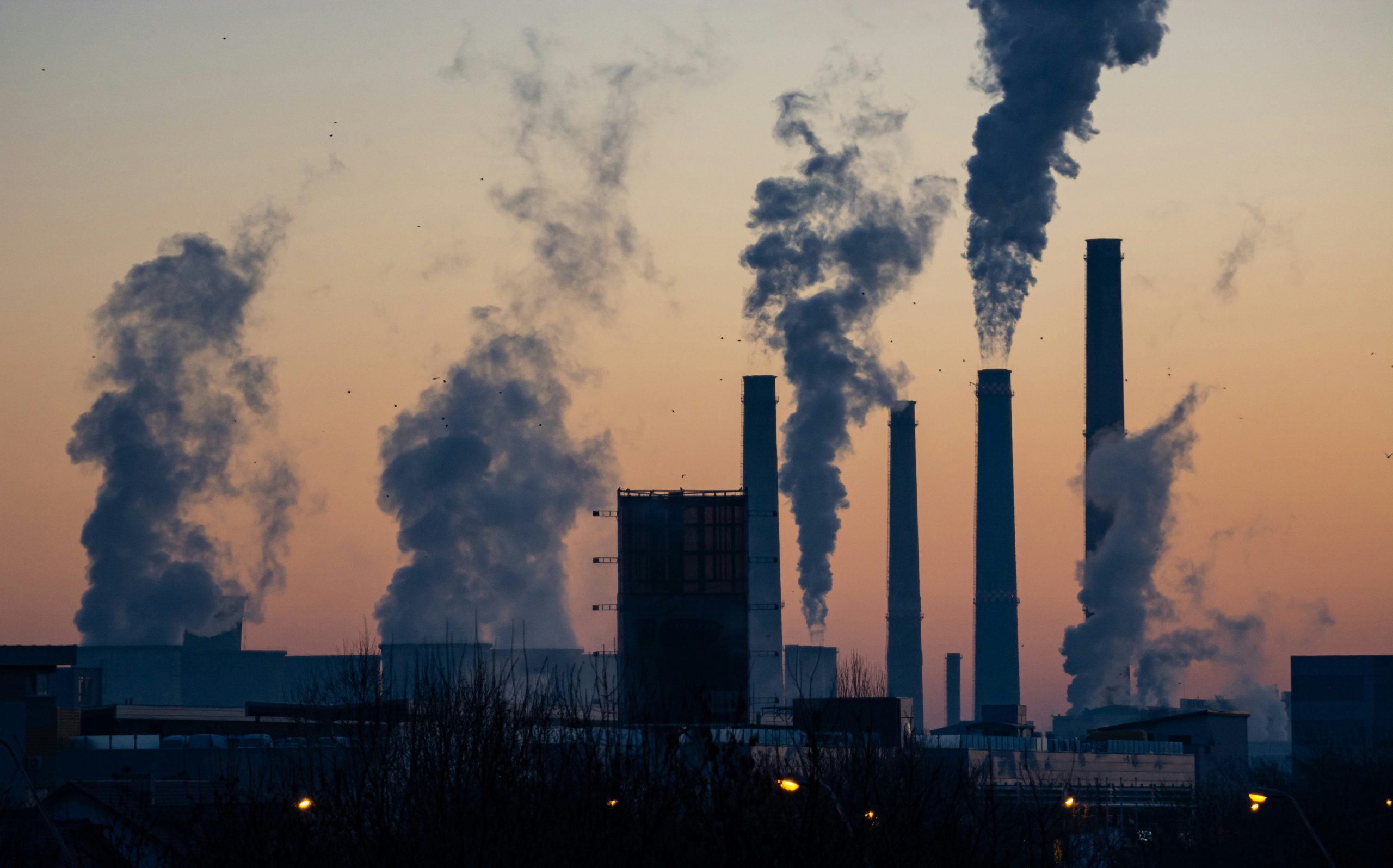
Companies including Amazon, Google, Salesforce, JPMorgan Chase and Workday recently announced the launch of the Superpollutant Action Initiative, a corporate collaboration designed to accelerate the reduction of short-lived climate pollutants.
The initiative aims to invest around $100 million in funding through 2030 to support projects that eliminate or prevent emissions of methane, black carbon and high global warming refrigerant gases.
While $100 million is modest compared with the trillions required for global decarbonisation, the initiative is designed to be catalytic rather than comprehensive. Participating companies will fund high impact projects that can demonstrate scalable solutions and unlock wider investment.
The programme is coordinated by the Beyond Alliance, a business coalition focused on scaling corporate investment in climate solutions and supported by scientific expertise from the Carbon Containment Lab, an independent research organisation, originally established at Yale University.
Together they are developing a Global Superpollutant Roadmap that will identify where corporate funding and intervention can deliver the greatest near-term climate impact across global value chains.
The roadmap is expected to highlight opportunities across three key areas:
- Value chain interventions within corporate operations and supply chains
- Targeted investment through voluntary carbon markets
- Policy engagement to accelerate regulation and standards
Why companies are focusing on superpollutants
The scientific rationale behind this shift is clear. According to research referenced by the initiative and aligned with climate science assessments, superpollutants such as methane, black carbon and refrigerant gases are responsible for roughly half of the warming experienced to date. These pollutants differ from carbon dioxide in one critical way; they are short lived but extremely powerful.
Methane, for example, has more than 80 times the warming impact of carbon dioxide over a 20-year timeframe, while some refrigerant gases can trap heat hundreds or even thousands of times more effectively. Because these gases remain in the atmosphere for far shorter periods than carbon dioxide, reducing them can deliver rapid climate benefits within years rather than decades.
Analysis cited by the initiative suggests aggressive action on superpollutants could avoid more than 0.5°C of warming by mid-century, while also delivering major co-benefits such as improved air quality and reduced health impacts from pollution.
From carbon management to warming management
The projects expected to receive funding under the initiative reflect this focus on rapid climate impact.
Examples include:
- Capturing methane emissions from landfill waste and agriculture
- Preventing refrigerant gases from being released during cooling system upgrades
- Destroying high global warming refrigerants recovered from existing equipment
- Improving measurement and verification of fugitive emissions
Many of these solutions already exist but have historically struggled to attract investment because they sit outside conventional decarbonisation frameworks. The initiative aims to change that by directing corporate capital toward interventions that directly reduce warming in the atmosphere.
For organisations developing climate strategies today, the message is increasingly clear. Reducing carbon dioxide remains essential for long term climate stability. But limiting near term temperature rise will also require addressing the pollutants that accelerate warming most rapidly. In other words, the next generation of climate strategy may need to shift from carbon management alone to a broader focus on warming management.
Read the Final Press Release from Beyond Alliance here: Superpollutant-Action-Initiative_FINAL-PRESS-RELEASE.pdf