
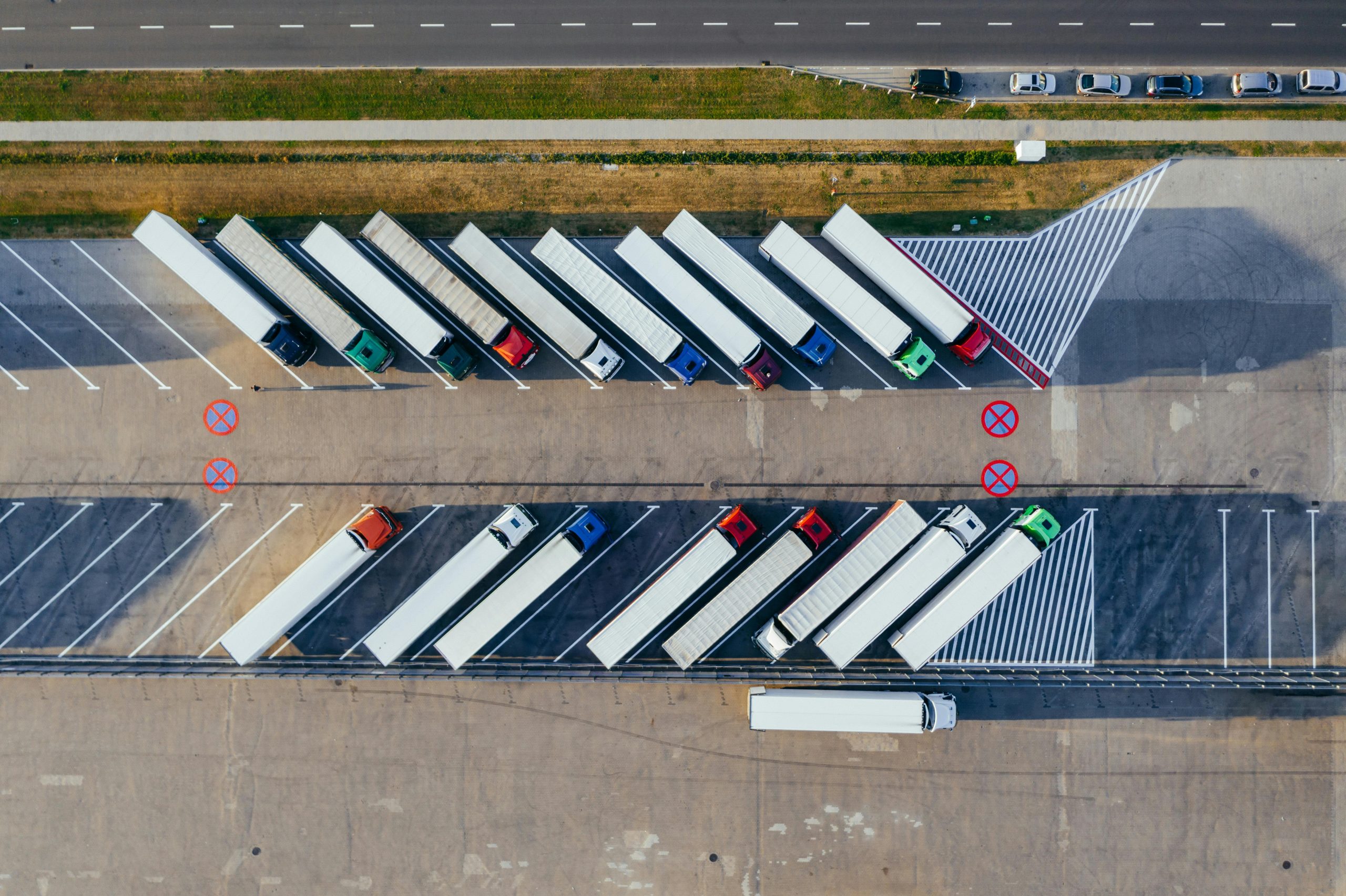
The decarbonisation of heavy goods transport has long been one of the toughest challenges in the net zero transition. While sectors like power and passenger vehicles have made visible progress, freight has remained harder to shift due to its reliance on energy-dense fuels and complex operational demands.
Recent moves by Marks & Spencer signal a change in pace. By expanding its fleet of biomethane powered HGVs and investing in supporting refuelling infrastructure, the retailer is demonstrating what scaled action can look like in practice. Its growing fleet, expected to exceed 300 lower emission vehicles by 2027, reflects a strategic shift away from diesel towards alternative fuels that can deliver immediate carbon reductions.
The role of biomethane as a transition fuel
Biomethane, or Bio CNG, is emerging as a practical solution in the near term. Produced from waste streams such as food waste and agricultural byproducts, it offers lifecycle emissions reductions of up to 85% compared to conventional diesel.
What makes this approach particularly compelling is its readiness. Unlike some zero emission technologies still facing infrastructure or cost barriers, biomethane can be deployed today using established vehicle platforms and refuelling systems. This aligns with findings from organisations such as the International Energy Agency, which highlight the need for “available now” solutions to cut emissions this decade while longer term technologies scale.
However, biomethane is not the perfect answer. Its long-term role will depend on feedstock availability, sustainability standards, and competition from electrification and hydrogen. The real value lies in its ability to act as a bridge, enabling immediate reductions while the broader system evolves.
Infrastructure as the enabler of change
One of the most overlooked aspects of transport decarbonisation is infrastructure. Vehicles alone do not drive change, systems do.
The partnership between M&S and fuel providers to deploy mobile and fixed refuelling stations highlights a critical insight. Transitioning fleets at scale requires parallel investment in energy distribution, not just vehicle procurement.
This reflects a wider trend identified by the World Economic Forum, which emphasises that coordinated ecosystem development, across operators, fuel suppliers, and policymakers, is essential to unlock freight decarbonisation.
Beyond technology: a systems level transition
What stands out is not just the choice of fuel, but the approach. Trialling multiple technologies, selecting viable solutions, and scaling them quickly is becoming a blueprint for leading organisations.
Alongside biomethane, M&S is also investing in battery electric HGVs, signalling a diversified pathway rather than a single solution strategy.
This mirrors conclusions from the Intergovernmental Panel on Climate Change, which consistently highlights that no single technology will decarbonise transport. Instead, a combination of electrification, low carbon fuels, efficiency improvements, and behavioural shifts will be required.
From ambition to implementation
The real significance of initiatives like this lies in execution. Net zero commitments are now widespread, but delivery at scale remains the defining challenge of this decade.
What we are seeing is a shift from ambition to implementation. Large organisations are moving beyond pilot projects and embedding decarbonisation into core operations, supply chains, and investment decisions.
For logistics, this is a critical moment. The sector accounts for a significant share of global emissions, and progress here will determine whether broader climate targets remain within reach.