
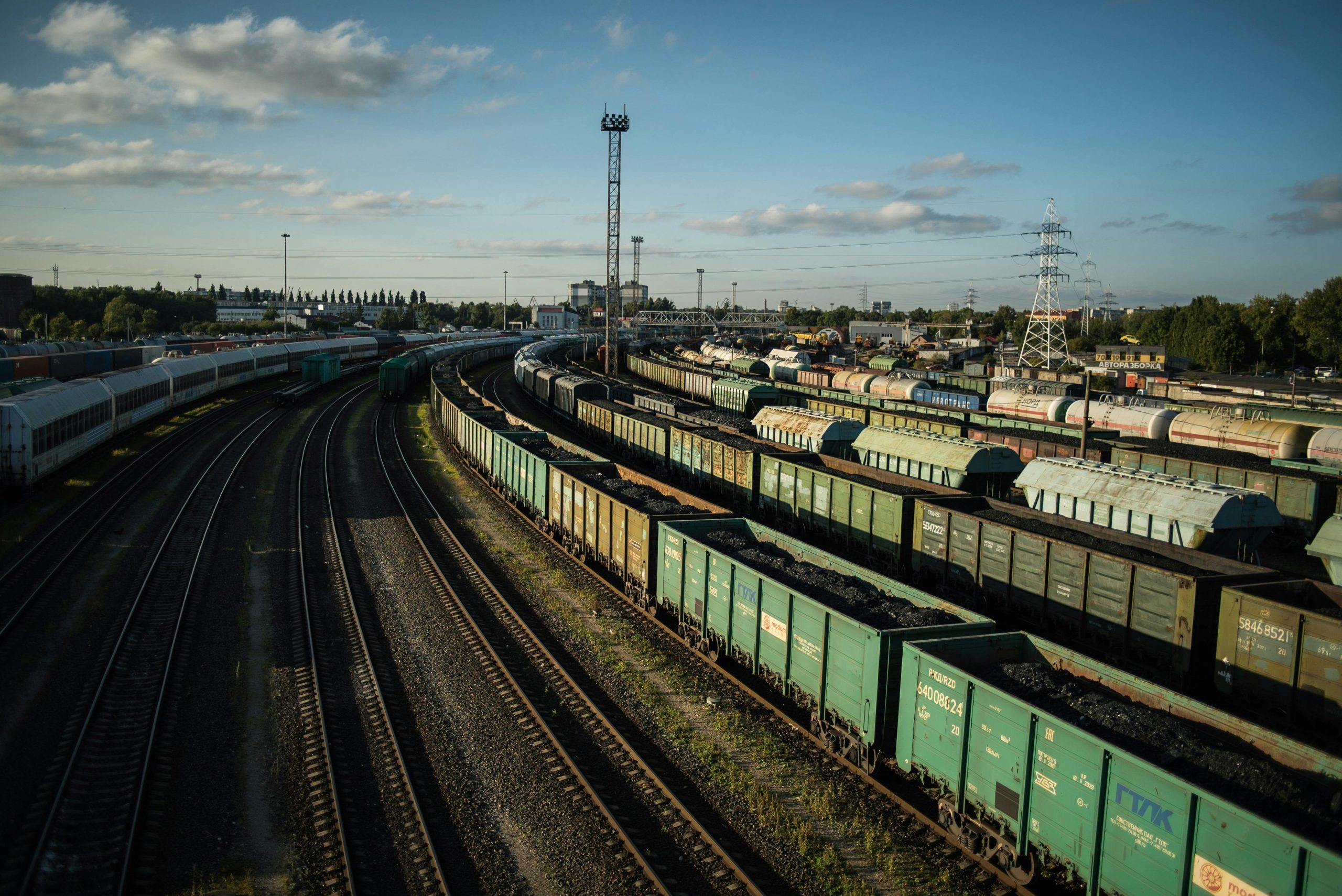
Momentum is building behind the return of cross Channel rail freight, highlighting a shift in how goods move between the UK and mainland Europe. Recent developments across the sector point to a growing recognition that rail can play a far greater role in supporting resilient and lower carbon supply chains.
At the centre of this shift is the planned redevelopment of key infrastructure such as Barking Eurohub in East London. Backed by UK government support, this project is designed to re-enable regular intermodal freight services through the Channel Tunnel, reconnecting UK businesses directly with major European markets. This marks a significant step forward for a corridor that has historically been underutilised, despite its strategic importance.
Unlocking intermodal potential
Cross Channel rail freight is not just about rail. It is about intermodal logistics, where goods move seamlessly between rail, road and sea using standardised containers.
The UK government has highlighted that renewed rail links could enable direct trade routes to countries including France, Germany, Italy and Spain, improving both speed and efficiency for importers and exporters.
Today, much of this freight still travels by road and short sea shipping. However, intermodal rail offers a compelling alternative, particularly for longer distances where it can reduce congestion and improve reliability across supply chains.
From a system perspective, intermodal transport reduces handling and can improve security while supporting more efficient long distance freight movement.
Decarbonisation and network resilience
The case for rail is not only operational. It is increasingly environmental. Shifting freight from road to rail is a core part of the UK government’s strategy to reduce emissions from transport while easing pressure on road infrastructure. Expanding cross Channel rail freight is expected to reduce congestion on key corridors such as the M20 and Dartford Crossing, while lowering overall pollution levels.
Rail freight also plays a critical role in improving network resilience. By diversifying transport modes, businesses can reduce reliance on road haulage and mitigate disruption risks across supply chains. This aligns with broader UK ambitions to grow rail freight capacity and create a more balanced, multimodal logistics network.
What this means for logistics leaders
For businesses operating across UK and European supply chains, this shift presents both an opportunity and a challenge.
On one hand, enhanced rail connectivity offers:
- More sustainable transport options
- Greater reliability across longer distances
- Stronger integration with European markets
On the other, it requires:
- Rethinking network design
- Investing in intermodal capabilities
- Closer collaboration across logistics partners
The reality is clear. Rail will not replace road, but it will become an increasingly important part of the mix.
The bigger picture
Cross Channel rail freight is re-emerging at a time when the logistics sector is under pressure to decarbonise while maintaining efficiency and cost competitiveness. Government policy, infrastructure investment and industry demand are aligning around a more integrated and lower carbon freight system. For those willing to adapt, this is not just a modal shift. It is a strategic one.
Read more about the cross-channel rail freight deal on GOV.UK: Landmark deal paves way for return of regular cross-Channel rail freight – GOV.UK