
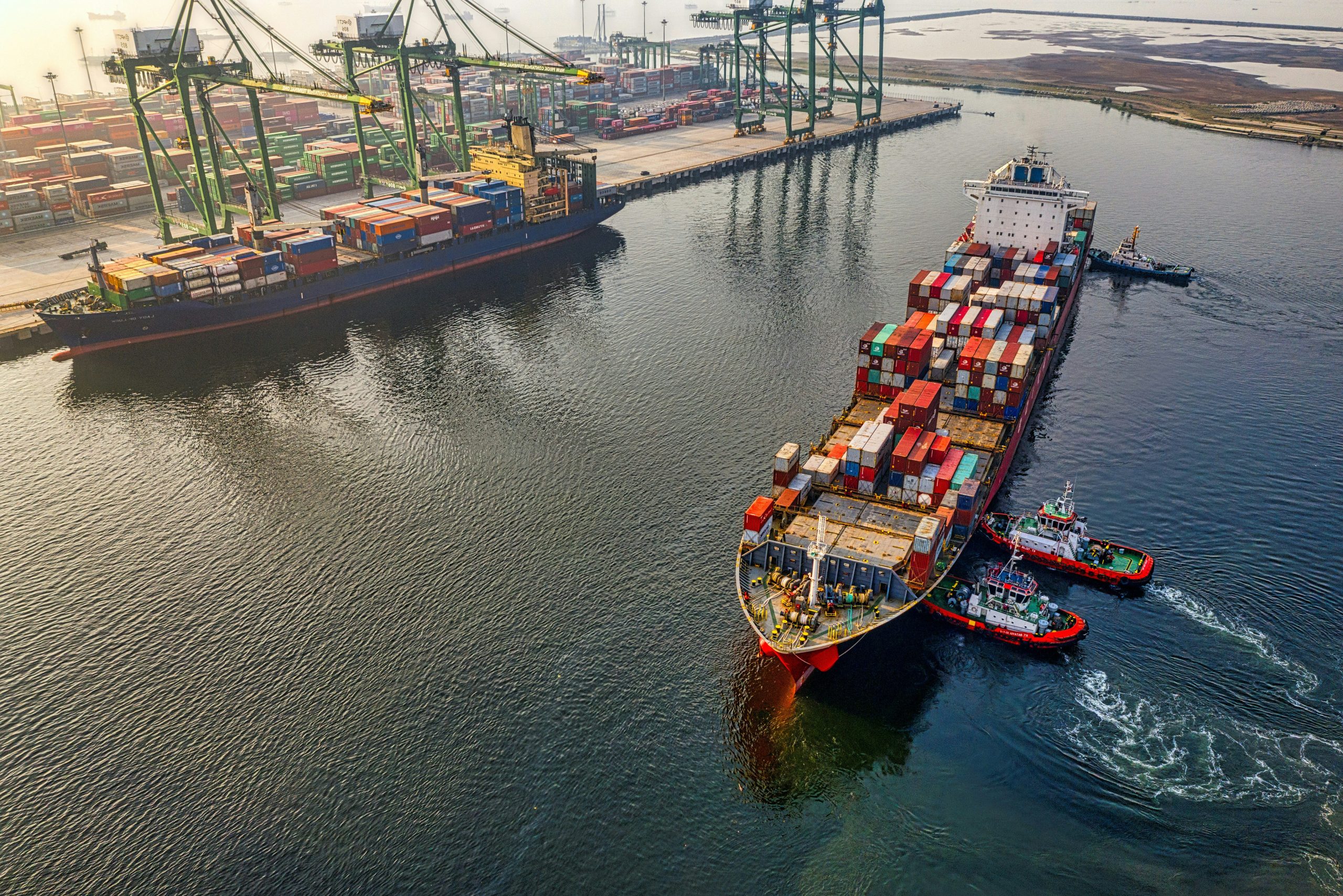
The expansion of the UK Emissions Trading Scheme into the maritime sector marks a turning point for one of the most carbon intensive parts of the global economy. For the first time, shipping emissions will carry a direct financial cost in the UK, signalling a broader shift from ambition to enforcement. While the policy is a significant step forward, it also raises important questions around competitiveness, investment and the pace of transition.
A long overdue shift in accountability
From July 2026, vessels over 5,000 gross tonnage operating on domestic routes and in UK ports will be brought into the UK ETS. This will require operators to monitor emissions and purchase allowances to cover them, introducing a carbon price into a sector that has historically operated without one.
Until now, shipping has largely avoided direct taxation on both fuel use and emissions, despite its significant contribution to transport related carbon output and its reliance on fossil fuels.
The inclusion of maritime within the UK ETS reflects a wider policy direction. Carbon pricing is increasingly being used as a mechanism to correct market imbalances and ensure that the environmental cost of emissions is reflected in operational decisions.
Balancing economic impact with climate ambition
A key concern for industry has been the potential cost impact of bringing shipping into the scheme. However, early analysis suggests that the effect on end consumers is likely to be limited.
Estimates indicate that the UK ETS could generate around £250 million from domestic shipping and port emissions, significantly lower than the roughly £1 billion that would be expected under a fuel duty equivalent.
At the same time, modelling suggests that carbon pricing in shipping has only a marginal effect on goods prices, often translating to small increases measured in pence rather than pounds.
This reinforces a broader point. The transition to lower carbon shipping is not solely a cost challenge, but a structural one, where policy is designed to shift long term investment behaviour rather than create short term disruption.
Unlocking investment in green shipping
One of the most significant opportunities presented by the UK ETS expansion lies in how revenues are used. Funds generated through the scheme can be reinvested into green maritime technologies, including electrification, alternative fuels and port infrastructure such as shore power.
This is critical in a sector where decarbonisation pathways are still emerging. Shipping relies heavily on high emitting fuels, and large-scale transformation will require both technological innovation and sustained capital investment.
There is also a regional dimension to consider. Targeted investment has the potential to support growth and job creation in coastal communities, aligning decarbonisation with economic development.
A system evolving in a global context
The UK’s approach does not exist in isolation. The European Union has already moved to include shipping within its own emissions trading system, and global frameworks are continuing to develop.
This creates both risk and opportunity. On one hand, misalignment between systems could increase complexity for operators working across multiple systems. On the other, early action positions the UK to compete in emerging green shipping markets.
Government analysis suggests that expanding the UK ETS will increase the proportion of national emissions covered by carbon pricing, building on a scheme that already accounts for around a quarter of UK territorial emissions.
Industry response and the challenge ahead
While the policy direction is clear, industry response has been mixed. Concerns remain around competitiveness, cost pass through and the potential impact on specific routes and regions.
At the same time, the timeline for implementation has been known for several years, giving operators a window to prepare.
What is becoming increasingly evident is that compliance alone will not be enough. Organisations will need to think beyond short term cost management and towards long term transformation, including fleet strategy, fuel choices and operational efficiency.
From policy to execution
The inclusion of shipping in the UK ETS is a clear signal that decarbonisation is entering a new phase. Policy is no longer focused solely on setting targets, but on creating mechanisms that drive measurable change.
For organisations operating in the sector, this represents both a challenge and an opportunity. Those that move early to understand and respond to the evolving regulatory landscape will be better positioned to manage risk, access investment and build competitive advantage.
At the same time, the success of the policy will depend on more than regulation alone. It will require coordination between government, industry and the wider supply chain to ensure that ambition translates into delivery.
Read the full government consultation document here: UK Emissions Trading Scheme: Scope Expansion – Emissions from international maritime voyages consultation