
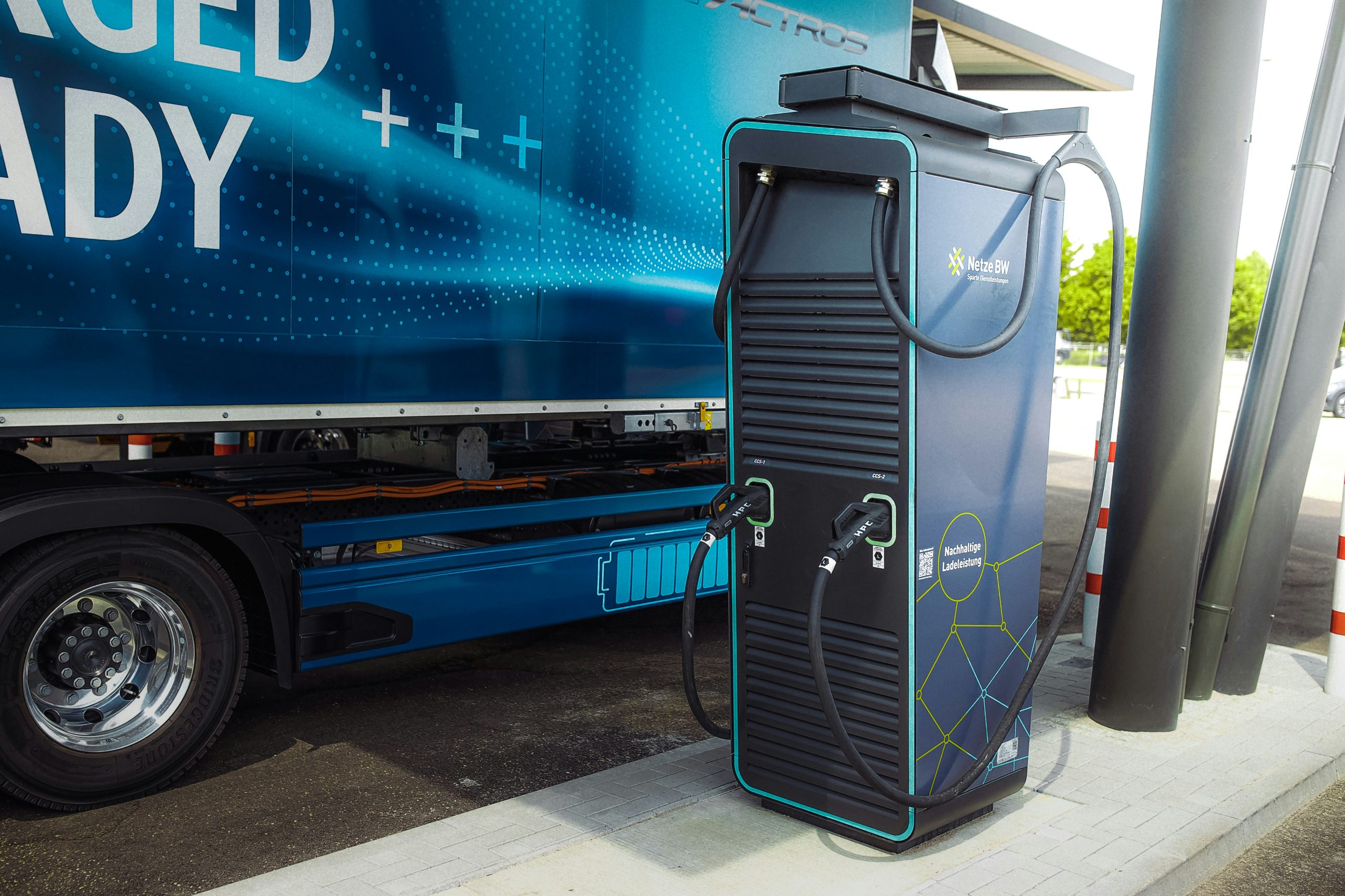
At the start of the year, the Department for Transport announced an additional £18 million, a significant update to the Plug-in-Truck Grant scheme, reinforcing its commitment to decarbonising road freight and supporting businesses in the transition to zero-emission vehicles. This is part of the broader £318 million green freight plan aimed at cutting costs of electric heavy goods vehicles (eHGVs). This expanded scheme is a key part of wider efforts to cut transport emissions while enhancing the economic appeal of eHGVs.
Under the new programme, fleet operators can now access substantially higher grant funding when purchasing eHGVs. Depending on vehicle size, grants are able to reduce purchase costs of up to £120,000, helping to narrow the price gap between electric and diesel HGVs. The Government has confirmed this additional funding to extend the scheme to at least March 2026, with the wider plug-in van and truck grant framework continuing to 2027.
Companies could save:
- smaller trucks (4.25t to 12t) up to £20,000
- mid-sized trucks (12t to 18t) up to £60,000
- larger trucks (18t to 26t) up to £80,000
- and the largest lorries (26t and over) up to £120,000
For business, these changes bring greater certainty and improved affordability. While electric trucks usually come with higher up-front costs, lower fuel and maintenance can help savings over time. The increased grant helps unlock these long-term benefits sooner, especially for logistics operators, local authorities and organisations with net zero targets.
The scheme plays an important role in supporting national climate goals. HGVs account for a disproportionate share of road transport emissions, therefore accelerating their transition to zeroemission alternatives is critical if the UK aims to meet its carbon reduction commitments.
However, challenges do remain. Charging infrastructure for eHGVs is still developing, particularly for depot-based and long-distance operations. There is also some uncertainty around grant levels beyond the current funding window, which may delay decision making for some operators.
Despite this, recent news highlights success in moving forward with eHGV charging. Gridserve has just launched two of the UKs first public electric charging hubs at service stations along the A1 J10 and M5 J30. The hubs feature multiple high-power drive-through charging bays designed to accommodate large trucks helping hauliers make the transition to zero emissions operations. The initiativeis part of the government-backed zero emission HGV and infrastructure demonstrator (ZEHID) programme, with plans to open seven more hubs this year.
Overall, the expanded plug-in-truck grant emphasis that zero emission freight is a long-term priority of the UK. By reducing financial barriers and increasing confidence in electric truck investment, the scheme represents a step towards cleaner, more resilient logistics. As technology improves and infrastructure grows, electric trucks are expected to become an increasingly practical and cost-effective choice for businesses across the country.
Read about the full scheme on the government website: Boost for British business as government slashes cost of electric lorries by up to £120,000 – GOV.UK